

About
Introduction
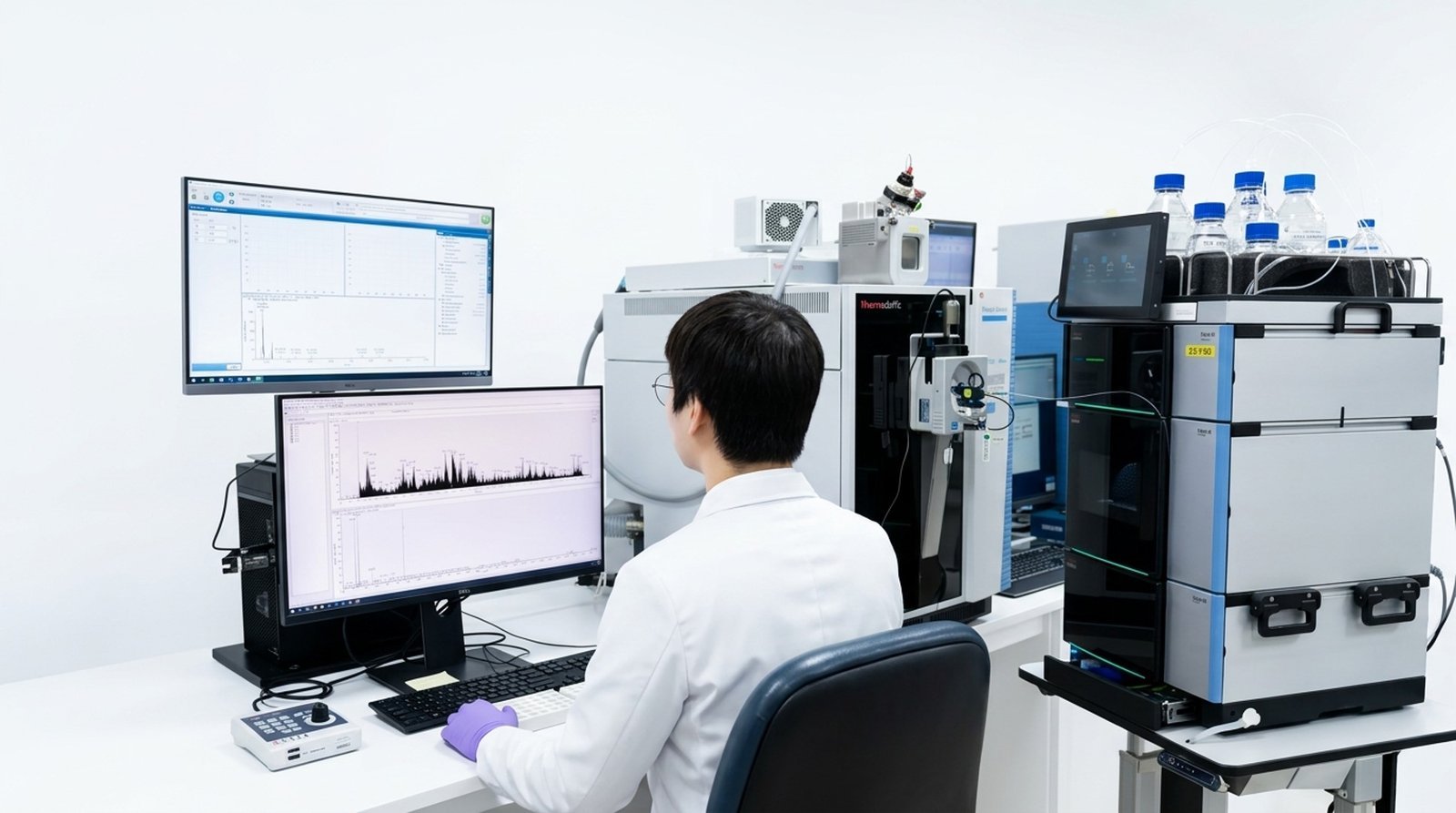
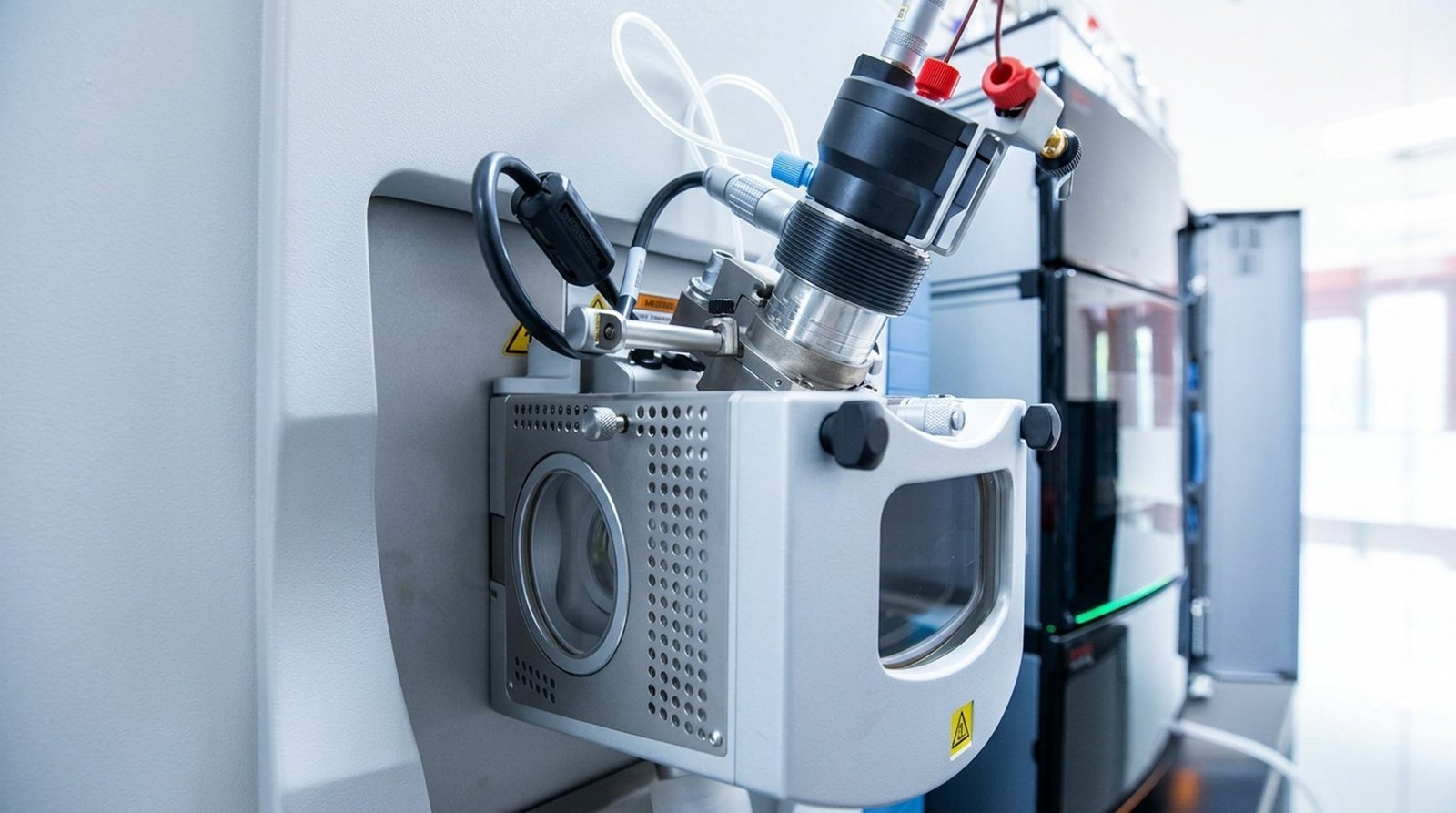
The Proteomics and Metabolomics Lab performs precise qualitative and quantitative analyses of proteomes and metabolomes in biological systems using mass spectrometry (LC-MS/MS) and the Olink platform.
Based on these capabilities, the lab supports disease biomarker discovery and translational research across diverse sample types, drug-target discovery and response studies for new therapeutics, and environmental and nutritional research.
Proteomics Lab
Proteins perform many of the body’s most important functions and are key molecular representatives of phenotype. Rapid advances in genomic analysis have generated vast amounts of previously unavailable genomic information, increasing the need to understand proteins that are directly associated with actual phenotypes and disease.
Using ultra-high-resolution mass spectrometry and Olink, the Proteomics Lab supports protein biomarker development and translational research for disease diagnosis and prognosis monitoring in diverse clinical specimens—including blood, urine, CSF, and tissue—as well as cell-based samples.
Our Core Lab provides the following major research support services.
Mass Spectrometry-Based Proteomic Analysis
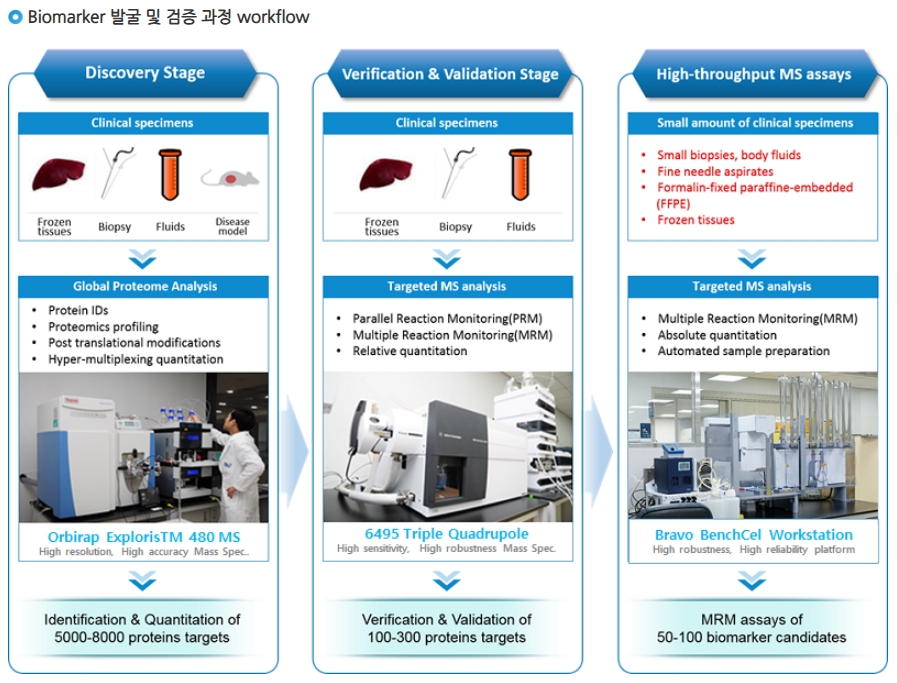
Biomarker Discovery Research
Discovery of candidate protein biomarkers in patient tissue, blood, urine, and various biological fluids using ultra-high-resolution mass spectrometry.
Biomarker Verification Research
Verification and validation of candidate biomarkers in diverse biological fluids using mass spectrometry-based parallel reaction monitoring (PRM), which enables absolute protein quantification.
Olink-Based Proteomic Analysis
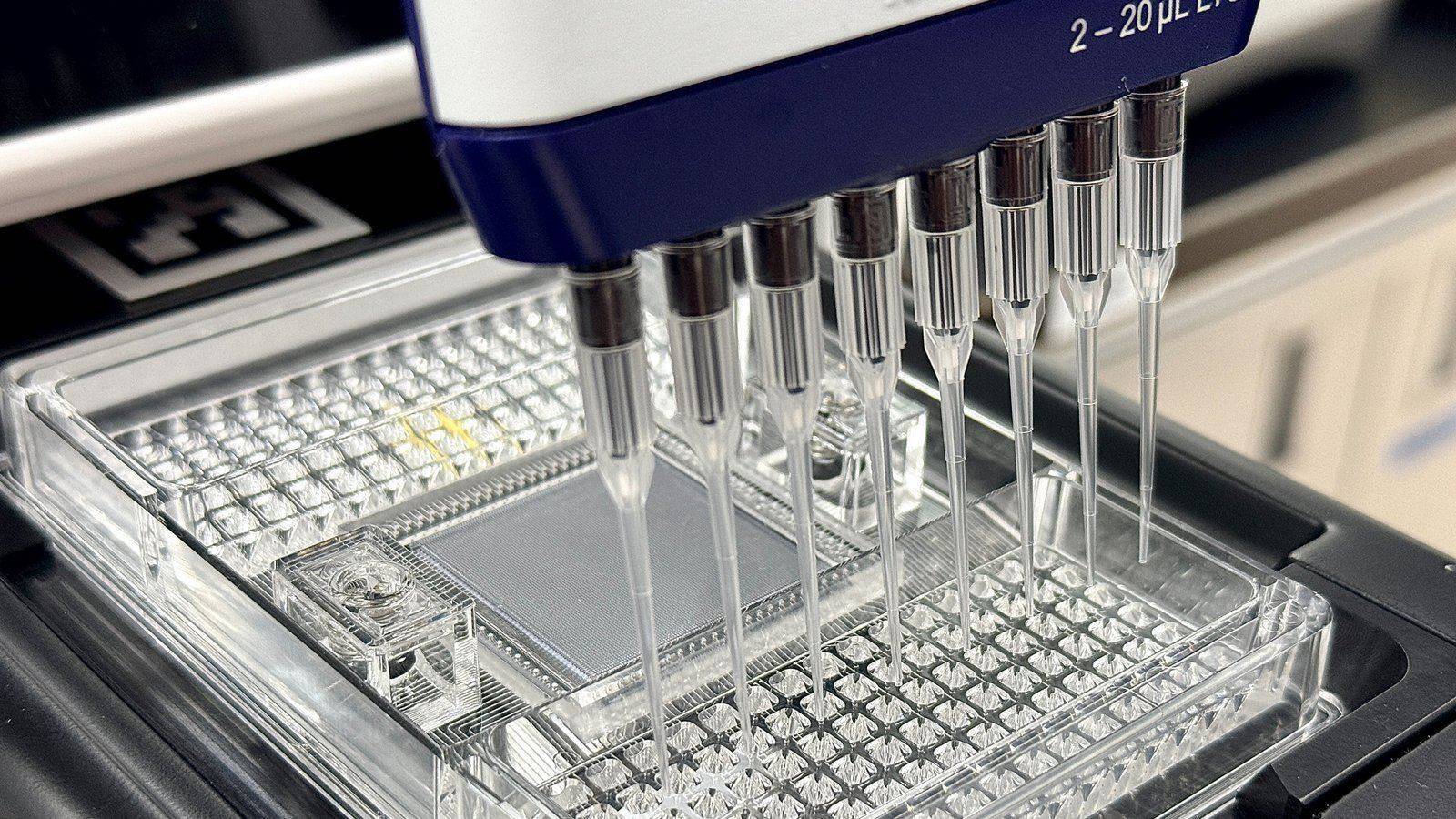
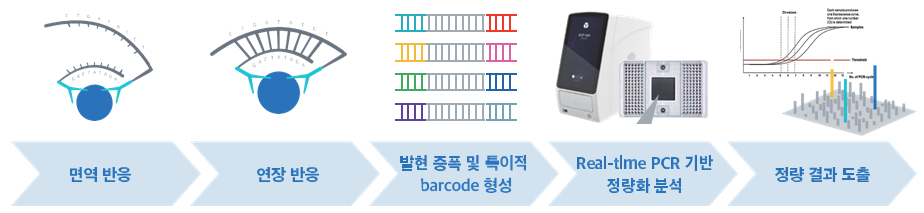
Olink protein analysis is a platform based on Proximity Extension Assay (PEA) technology that uses oligonucleotide-conjugated antibodies to quantify proteins with high specificity and sensitivity.
A signal is generated only when two antibodies bind to the same target and pair with one another, reducing nonspecific signals and making the platform well suited for multiplex protein analysis.
Our Core Lab provides the following research support services.
The Olink Target 48 panel provides absolute quantification in pg/mL and is suitable for obtaining precise concentration measurements for predefined target proteins.
The Olink Target 96 panel provides relative quantification as NPX (Normalized Protein eXpression) values. It simultaneously analyzes multiple proteins and can be used to compare protein expression and identify patterns across samples.
The Olink Reveal panel is a highly scalable, high-plex PEA panel with an NGS-based readout. It provides relative quantitative data based on NPX values and is suitable for comprehensive exploration and analysis of 1,034 proteins.
Metabolomics Lab
Metabolomics is a core omics field—alongside genomics, transcriptomics, and proteomics—for understanding biological phenomena. By analyzing metabolic changes and networks in biological systems, it plays an important role in identifying disease-related biomarkers and molecular mechanisms.
Building on a molecular biological understanding, our laboratory develops metabolite identification, analysis, and quantification methods that contribute to early diagnostic markers, treatment-response prediction markers, and diagnostic technologies for a wide range of diseases.
The Metabolomics Lab conducts the following major areas of research.
1. Untargeted Metabolomics
An analytical approach that uses ultra-high-resolution mass spectrometry to survey a broad range of metabolites in patient tissue, blood, urine, and other biological specimens, and to discover and validate metabolite biomarkers for disease diagnosis, treatment-response prognosis, and prediction.
2. Targeted Metabolomics
A quantitative analytical approach for specific compounds—including endogenous metabolites and drug concentrations—based on high-sensitivity mass spectrometry techniques such as SIM and MRM.